Selecting a creatine monohydrate manufacturer involves more than comparing prices. Supplement brands, ingredient distributors and contract manufacturers must also evaluate product identity, assay, particle size, impurity controls, batch documentation, production consistency, minimum order quantity and international delivery capability.
The companies in this guide represent different parts of the creatine supply chain. Some manufacture bulk creatine monohydrate powder, some distribute ingredients from qualified producers, while others manufacture finished creatine powders, capsules or private-label products. Buyers should first determine which type of partner they need before requesting quotations.
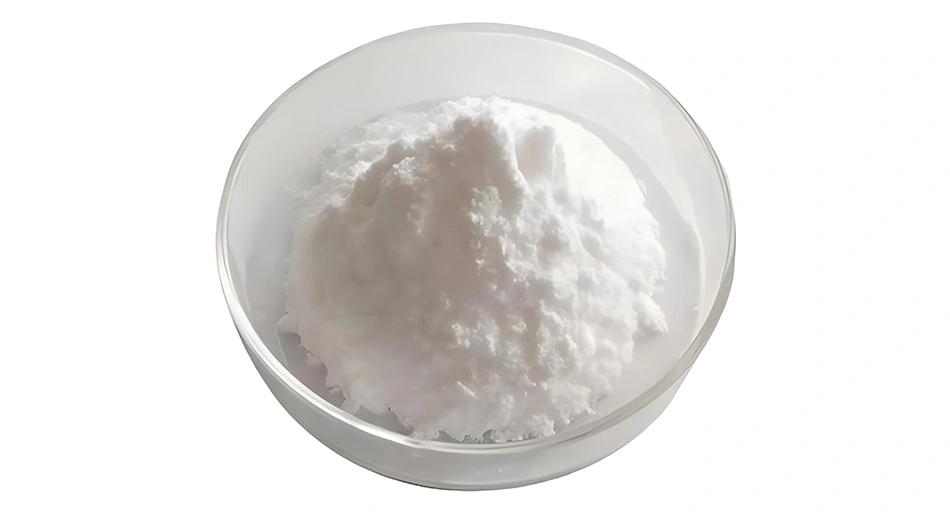
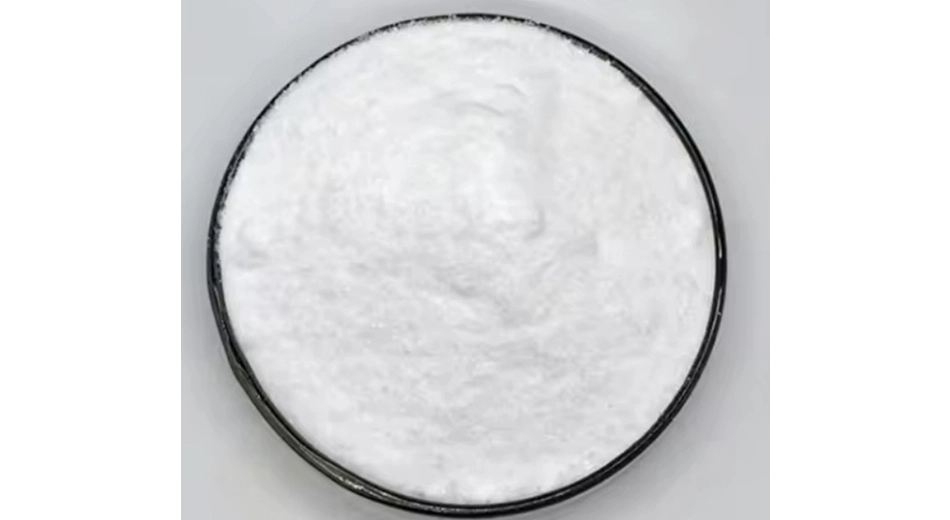
For companies sourcing creatine as a raw material, Yanggu Huatai supplies bulk creatine monohydrate under CAS No. 6020-87-7 for sports nutrition and dietary supplement formulations.
Why Creatine Monohydrate?
Creatine monohydrate is widely regarded as the gold standard among supplements due to its proven benefits. It enhances strength and endurance by boosting ATP production, which fuels explosive workouts. Additionally, it supports muscle growth by increasing water retention in muscle cells, promoting hypertrophy. Emerging research also suggests that creatine may improve cognitive function, offering potential benefits for brain health. As one of the most cost-effective and extensively studied supplements, creatine monohydrate is both safe and accessible. However, the quality of the product depends heavily on the supplier, making it critical to choose a reputable source to maximize its benefits.
Top 10 Creatine Monohydrate Suppliers in 2026
Supplement Manufacturing Partner Inc.
Supplement Manufacturing Partner Inc. leads the industry in private-label and contract manufacturing, offering micronized creatine monohydrate known for its high purity and solubility. This supplier excels in providing custom formulations tailored to brand needs, backed by rigorous third-party testing to ensure quality. Their competitive bulk pricing makes them a preferred choice for businesses looking to develop high-quality creatine supplements.
Website: https://smpnutra.com/
Merck
Merck, a global pharmaceutical giant, supplies high-purity creatine monohydrate for clinical, research, and supplement industries. Their pharmaceutical-grade quality adheres to stringent regulatory standards, making them a trusted choice for medical research and premium supplement production. Merck’s reputation for reliability and compliance ensures their creatine meets the highest industry standards.
Website: https://www.merckmillipore.com/JP/ja
Superior Supplement Manufacturing
Superior Supplement Manufacturing specializes in premium sports nutrition ingredients, offering micronized, non-GMO creatine monohydrate that meets NSF and Informed Choice certifications. This makes their product ideal for athletes competing in regulated environments, ensuring safety and consistency in every batch. Their focus on quality and compliance makes them a go-to for sports nutrition brands.
Website: https://www.superiorsupplementmfg.com/
KANTO CHEMICAL CO., INC.
KANTO CHEMICAL CO., INC., a Japanese chemical supplier, is renowned for its ultra-pure creatine monohydrate, suitable for pharmaceutical and nootropic applications. Their lab-grade creatine supports medical research and high-end formulations, backed by a robust global distribution network. Their commitment to purity and quality is evident in their offerings.
Website: https://www.kanto.co.jp/english/
Avanschem
Avanschem, a reliable Chinese manufacturer, provides high-quality creatine monohydrate at competitive prices. With strong export experience, they offer both powder and tablet forms, catering to diverse market needs. Their cost-effective bulk sourcing and flexible options make them a popular choice.
Website: https://www.avanschem.com/
Hefei TNJ Chemical Industry Co., Ltd.
Hefei TNJ Chemical Industry Co., Ltd., another trusted Chinese supplier, specializes in creatine monohydrate for supplements and food additives. Their product is designed for high solubility and absorption, making it suitable for manufacturers and distributors. Competitive minimum order quantities further enhance their appeal.
Website: https://www.tnjchem.com/
MilliporeSigma (Merck Life Science)
MilliporeSigma (Merck Life Science) delivers ultra-pure creatine for research and healthcare applications. Their lab-grade creatine is ideal for clinical studies and certified for analytical quality, earning trust from universities and pharmaceutical companies.
Website: https://www.sigmaaldrich.com/US/en
Nacalai Tesque
Nacalai Tesque, another Japanese leader, supplies lab-grade creatine monohydrate with ultra-refined purity and low endotoxin levels. Preferred by scientists for research and high-end formulations, their product supports cutting-edge applications.
Website: https://www.nacalai.co.jp/global/index.html
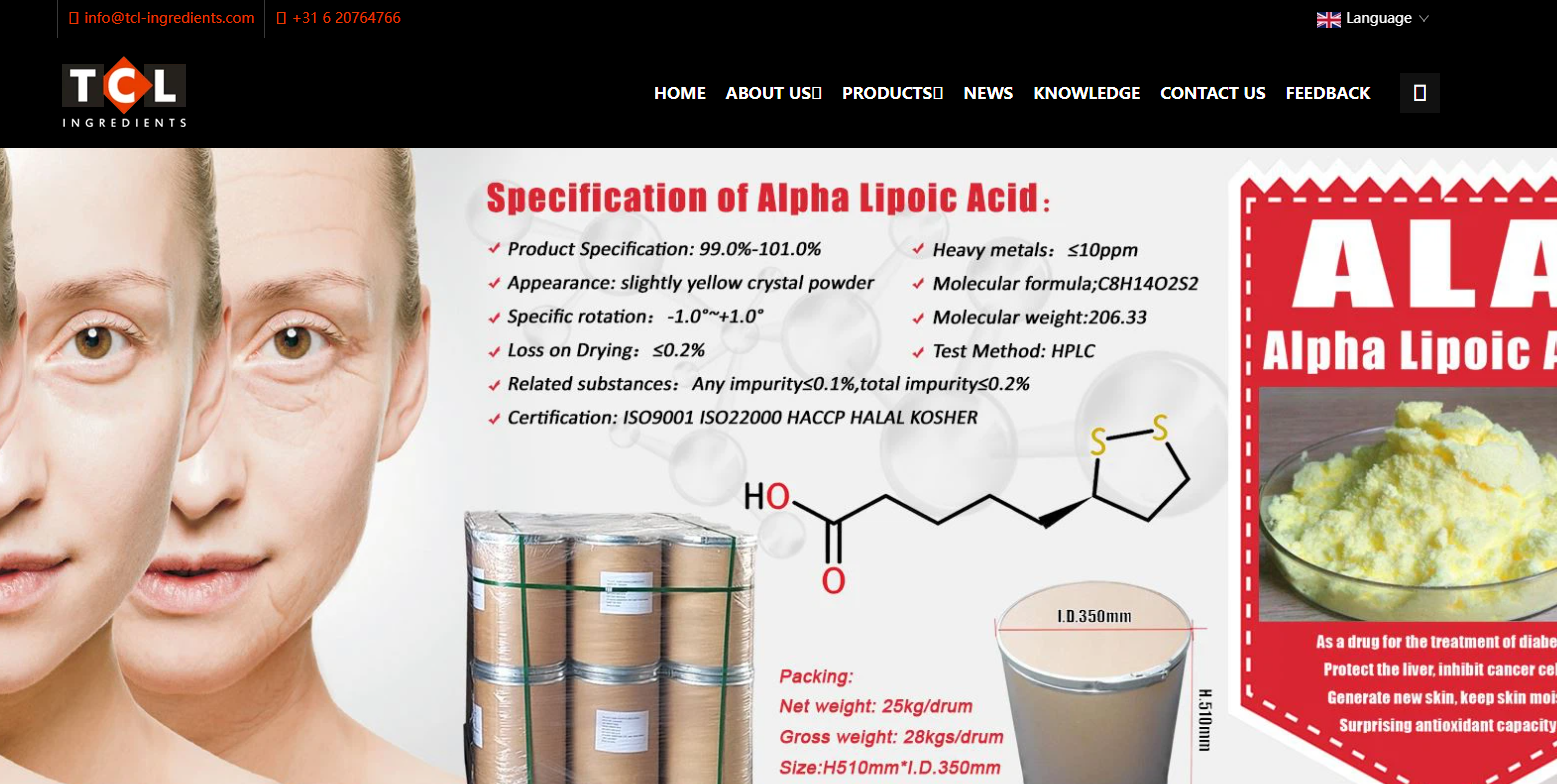
TCL Ingredients Co., Ltd.
TCL Ingredients Co., Ltd. focuses on nutraceutical ingredients, offering micronized and Creapure®-grade creatine monohydrate. Their premium branded ingredients are verified for purity and safety, earning them a strong reputation in the industry.
Website: https://www.tcl-ingredients.com/
Muby Chemicals
Muby Chemicals, a global chemical supplier, provides high-purity creatine monohydrate for both industrial and supplement use. With competitive pricing, worldwide shipping, and customized packaging options, they cater to a wide range of needs.
Website: http://mubychem.com/
Additional Introduction about Yanggu Huatai
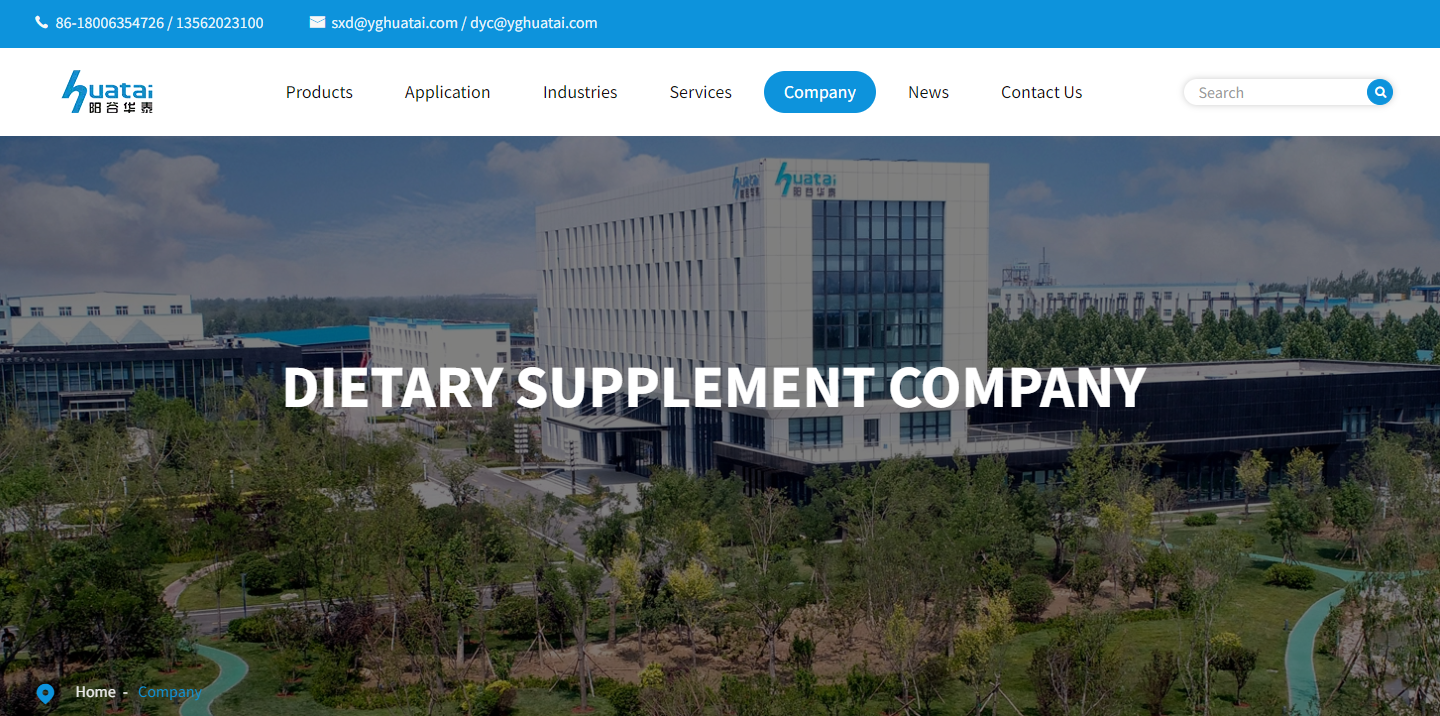
Yanggu Huatai Health Tech Co., Ltd., established on July 8, 2021, as a wholly-owned subsidiary of Shandong Yanggu Huatai Chemical Co., Ltd., is a professional creatine monohydrate factory specializing in high-quality creatine monohydrate wholesale (CAS No. 6020-87-7). Their white powder creatine monohydrate supports cellular energy in muscles and the brain, offering optimal absorption and efficacy for athletes and fitness enthusiasts. With a research and development team of over 60 professionals, Yanggu Huatai leads innovation in dietary supplements, providing comprehensive support and collaboration. Their vision is to become the most trusted dietary supplement enterprise, guided by values of creativity, efficiency, and environmental responsibility. They offer reliable sea or air transportation to meet global demand.
Website: https://yghuataihealth.com/
2026 Creatine Monohydrate Manufacturer Comparison
| Company | Location | Business Type | Main Offering | Suitable For |
| Yanggu Huatai Health Tech | China | Bulk ingredient manufacturer and supplier | Creatine monohydrate powder | Supplement brands, formulators and ingredient distributors |
| Alzchem Trostberg | Germany | Creatine producer | Creapure庐 creatine monohydrate | Premium branded formulations |
| HSF Biotech | China | Ingredient manufacturer | Bulk creatine monohydrate powder | Buyers seeking a China-based factory |
| Dastech International | United States | Ingredient supplier and distributor | Creatine monohydrate with logistics support | Buyers needing U.S. distribution and warehousing |
| Vivion | United States | Bulk ingredient distributor | Creatine monohydrate in commercial quantities | Small and medium-volume ingredient buyers |
| MilliporeSigma | Global | Laboratory and research material supplier | Research and cell-culture-grade creatine | Laboratories and research institutions |
| Nutra Coast | United States | Contract supplement manufacturer | Custom creatine powders and finished supplements | Brands developing finished products |
| Sun Nutraceuticals | United States | Contract supplement manufacturer | Creatine powders and capsules | Private-label and custom supplement brands |
| GMP Labs | United States | Nutraceutical contract manufacturer | Powder, capsule and finished supplement production | Established brands requiring broader manufacturing support |
| Respect Manufacturing | United States | Contract supplement manufacturer | Turnkey creatine supplement manufacturing | Brands seeking formulation-to-finished-product support |
This list is intended as a practical procurement reference rather than a ranking based on revenue or production volume. Publicly available product information, business model, documentation, manufacturing scope and suitability for different buyer requirements were considered. Yanggu Huatai publishes this guide and is included as one of the companies evaluated; buyers should independently confirm current specifications, certifications, pricing and availability with every supplier.
How to Evaluate a Creatine Monohydrate Manufacturer
Confirm Product Identity and Intended Grade
The supplier’s quotation should clearly identify creatine monohydrate, CAS No. 6020-87-7, rather than using “creatine powder” as a generic description. Buyers should also confirm whether the material is intended for food, dietary supplement, pharmaceutical, research or another application.
Specifications should be evaluated against the buyer’s formulation, destination market and internal quality standards. A specification suitable for laboratory research may not be appropriate for a commercial supplement, while a food-grade specification may not satisfy pharmaceutical requirements.
Review the Complete Specification
Assay is important, but it is not the only parameter that determines quality. Buyers should review appearance, identity, moisture or loss on drying, residue on ignition, heavy metals, related substances, microbiological limits and any relevant process contaminants.
Particle size should also be confirmed when dispersibility, mouthfeel or blending performance matters. “Micronized” should be supported by a measurable particle-size specification rather than used only as a marketing term.
Request a Batch-Specific COA
A general specification defines the acceptance limits, while a Certificate of Analysis reports the actual results for a particular batch. The batch number on the COA should match the batch number on the delivered packaging.
Procurement teams should also confirm whether the supplier tests each batch internally, uses an independent laboratory or relies on the original manufacturer’s report. Additional identity or purity testing may be appropriate during supplier qualification.
Verify Manufacturer and Supply-Chain Traceability
A supplier, distributor and manufacturer are not interchangeable terms. If the seller is not the original producer, the buyer should ask for the manufacturer’s name, production location, country of origin and traceability documentation.
Direct factory sourcing may offer stronger pricing and customization for large orders. Regional distributors may offer lower quantities, local inventory and simpler logistics. The commercial advantages should be weighed against the required level of transparency and control.
Evaluate MOQ, Capacity and Lead Time
A low quotation is of limited value if the supplier cannot consistently meet volume and delivery requirements. Buyers should discuss minimum order quantity, sample policy, trial-order quantity, monthly capacity, normal lead time and peak-season availability.
For recurring supply, it is useful to understand whether the company maintains safety stock, produces to order or relies on a third-party manufacturer. Buyers should also ask how the supplier handles delayed production, rejected batches and urgent replenishment.
Examine Packaging and Shipping Conditions
Commercial creatine monohydrate is commonly transported in sealed bulk packaging, but the exact format varies by producer and order size. Packaging should protect the powder against moisture, contamination and damage during international transport.
The quotation should identify net weight, inner liner, outer container, pallet configuration, storage requirements, shelf life and shipping terms. Importers should also confirm which customs and product documents will be supplied.
Audit Certifications Carefully
Certification logos should not be accepted without verification. Buyers should request complete, current certificates and check the company name, facility address, product scope, issuing organization and expiry date.
A certificate held by a parent company, trading company or unrelated facility does not necessarily cover the creatine production site. The documentation should match the organization and location responsible for manufacturing or handling the product.
Questions to Ask Before Requesting a Bulk Quotation
Before selecting a creatine monohydrate supplier, procurement teams should obtain clear answers to the following questions:
Are you the original manufacturer, an authorized distributor or a trading company?
What is the production location and country of origin?
What assay, impurity and microbiological limits are included in the specification?
Can you provide a recent batch-specific COA and SDS?
Is particle size controlled, and are micronized options available?
What are the sample quantity, MOQ and standard packaging?
What is the normal production and delivery lead time?
Which certificates apply to the actual manufacturing facility?
Can you support destination-market documentation and customs clearance?
How are complaints, out-of-specification results and batch recalls handled?
These questions allow buyers to compare quotations based on total supply reliability rather than unit price alone.
Conclusion
The best creatine partner is not necessarily the company with the lowest quoted price or the most recognizable name. Buyers should first distinguish between raw material manufacturers, ingredient distributors, research suppliers and finished-product contract manufacturers.
For bulk sourcing, the priority should be product identity, specification, batch consistency, documentation, traceability and reliable delivery. For finished-product manufacturing, brands must additionally evaluate formulation capability, testing, packaging, labeling and production minimums.
Yanggu Huatai supplies creatine monohydrate powder for wholesale sourcing. Buyers can contact the company to discuss specifications, documentation, samples, commercial quantities and delivery requirements for sports nutrition and dietary supplement applications.
FAQ
Who are the leading creatine monohydrate manufacturers?
The market includes raw material producers such as Yanggu Huatai and Alzchem, China-based ingredient factories such as HSF Biotech, regional distributors such as Dastech and Vivion, and finished-product manufacturers such as Nutra Coast and Sun Nutraceuticals. The appropriate supplier depends on whether the buyer needs bulk powder, regional inventory, research material or finished supplements.
What is the difference between a creatine manufacturer and a creatine supplier?
A creatine manufacturer produces the ingredient or finished supplement. A supplier may distribute creatine manufactured by another company. Some suppliers maintain regional inventory and provide logistics support, but buyers should still verify the identity and location of the original manufacturer.
How can I find a reliable China creatine monohydrate powder manufacturer?
Start by confirming whether the company operates the production facility or acts as a trading company. Request a recent COA, full specification, facility certificates, production address, sample, packaging details and export documentation. The sample and first commercial batch should be independently checked against the agreed specification.
What documents should a bulk creatine supplier provide?
Typical procurement documents include a specification sheet, batch-specific Certificate of Analysis, Safety Data Sheet, product identification, country-of-origin information and relevant facility or product certificates. Additional documents may be required depending on the importing country and intended application.
Is a creatine supplement manufacturer the same as a creatine powder factory?
No. A creatine powder factory generally produces the bulk ingredient. A creatine supplement manufacturer usually purchases that ingredient and manufactures consumer-ready powders, capsules, gummies or private-label products. Some vertically integrated companies may provide both services, but buyers should confirm the exact production scope.
What should be checked on a creatine monohydrate COA?
Buyers should check that the batch number matches the delivered goods and review identity, assay, moisture, residue on ignition, related substances, heavy metals and microbiological results. Applicable test methods and acceptance limits should be agreed upon before placing the commercial order.
 English