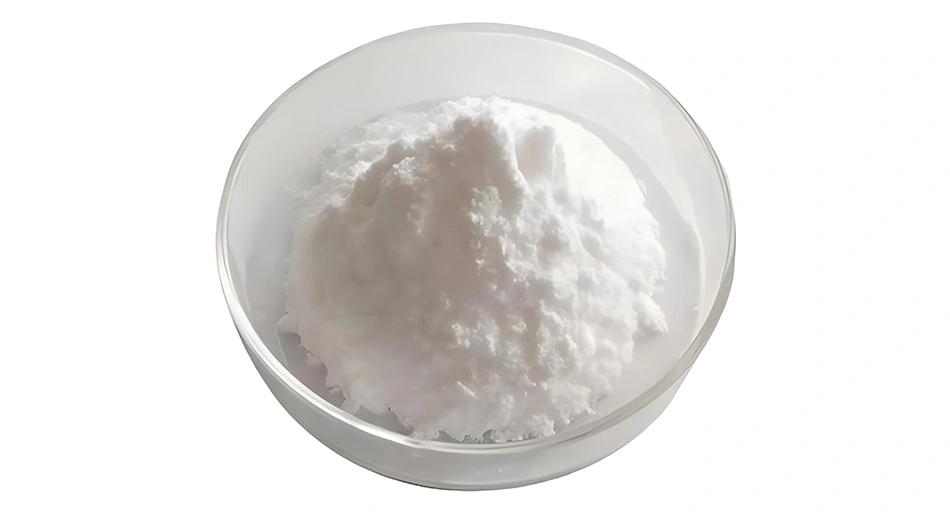
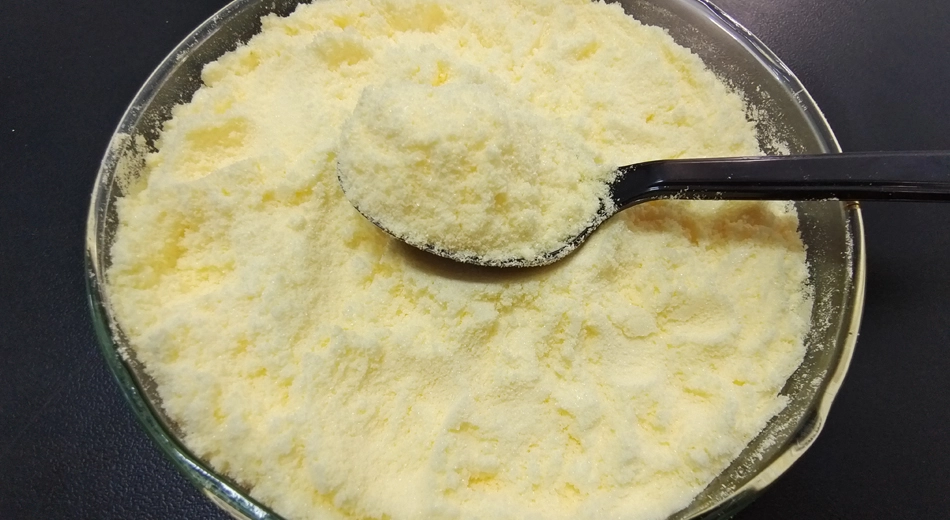
L-Ergothioneine powder quality should be evaluated through product identity verification, assay testing, impurity control, microbiological analysis, and batch documentation. Buyers also need to understand how results are measured, whether the certificate of analysis (COA) corresponds to the delivered batch, and whether packaging and storage conditions protect the material during transportation and inventory management.
M-This guide explains how to assess L-ergothioneine powder using a practical, evidence-based quality checklist.

Confirm Product Identity and Chemical Specifications
Product identity verification is the first step in evaluating an incoming raw material. It helps buyers confirm that the material supplied matches the compound specified in the purchase order.
L-Ergothioneine, commonly abbreviated as EGT, is a naturally occurring sulfur-containing amino acid. Its CAS Registry Number is 497-30-3. Buyers can cross-check the compound's identity using the PubChem Ergothioneine record.
Before approving a supplier sample or commercial shipment, verify:
Product name and CAS number.
Appearance and identification test requirements.
Assay method and acceptance range.
Related-substance and impurity limits.
Water content and residue requirements, where applicable.
Relevant heavy metal and microbiological specifications.
Packaging, storage, and shelf-life information.
These requirements should be documented in an approved raw material specification.
For bulk orders, also confirm that the product form and intended application are consistent with the technical documentation. A matching product name does not automatically establish that two materials have equivalent specifications or manufacturing controls.
Evaluate Assay, Purity, and Impurity Limits
Assay measures the amount of a target compound according to a defined analytical method. Purity may describe a related but not necessarily identical measure, depending on the method and reporting convention. So the buyers need to carefully examine the analytical basis of each reported value.
Yanggu Huatai's published L-ergothioneine powder specifications include an HPLC assay range of 98.0–102.0% and a stated purity of at least 99.0%. It also lists limits for water content, ignition residue, related substances, heavy metals, and total plate count. Buyers should confirm the current specification and clarify how assay and purity are defined before using the figures as contractual acceptance criteria.
Quality Parameter | Published Specification | What Buyers Should Verify |
HPLC assay | 98.0–102.0% | Test method, calculation basis, and batch result |
Purity | ≥99.0% | Definition of purity and analytical basis |
Water content | ≤0.5% | Method and batch-specific result |
Ignition residue | ≤0.5% | Test method and acceptance criteria |
Single related impurity | ≤0.5% | Impurity identification and reporting basis |
Total related impurities | ≤1.0% | Calculation method and reported results |
Total plate count | ≤100 CFU/g | Microbiological method and batch result |
For impurity evaluation, distinguish between a test result, a detection limit, and a specification limit. A result reported as not detected does not necessarily mean the substance is completely absent; interpretation depends on the analytical method and its detection capability.
If a supplier reports only an overall purity percentage without explaining the relevant test methods or impurity controls, request additional documentation before approving a large order.
Review Heavy Metals and Microbiological Quality
Heavy metal and microbiological testing help buyers assess potential contaminants that may affect the suitability of a raw material for its intended application.
The appropriate tests and limits depend on the product specification, manufacturing process, destination market, and final use. Buyers should not assume that the same limits automatically apply to dietary supplements, food ingredients, and cosmetic formulations.
The supplier's product page lists the following heavy metal limits:
Parameter | Published Limit |
Mercury (Hg) | ≤1 mg/kg |
Arsenic (As) | ≤2 mg/kg |
Cadmium (Cd) | ≤5 mg/kg |
Lead (Pb) | ≤10 mg/kg |
Confirm the applicable test methods, reporting units, and batch-specific results. Where regulations or customer requirements specify different limits, the stricter applicable requirement may need to be incorporated into the purchase specification.
Microbiological requirements should also be appropriate for the intended use. For example, buyers may need to review total plate count and other specified microbial tests rather than treating one result as proof of comprehensive microbiological quality.
Verify the Certificate of Analysis Before Ordering
A certificate of analysis is a batch-specific document that records the results of required tests. It should allow buyers to compare the delivered material with the approved specification and determine whether the batch meets the agreed acceptance criteria.
Check whether the document is complete, traceable, and consistent with the purchase order. Use the following checklist:
COA Item | Verification Question |
Product identity | Does the product name and CAS number match the order? |
Batch or lot number | Does it match the packaging label and shipping documents? |
Test results | Are the required results reported for the relevant batch? |
Specification limits | Do the results meet the approved acceptance criteria? |
Test methods | Are methods identified or traceable to controlled procedures? |
Dates | Are relevant testing and document issue dates recorded? |
Issuing organization | Is the responsible laboratory or quality unit identifiable? |
Approval and revision | Are document approval and revision status clear? |
A specification sheet and a COA serve different purposes. The specification defines the requirements, while the COA records the results for a particular batch.
If a COA contains missing values, inconsistent lot numbers, unclear units, or results outside the agreed limits, request clarification before releasing the material for production.
For new suppliers, buyers may also consider independent verification of selected parameters based on risk, order size, and internal quality procedures.
Assess Batch Consistency and Manufacturing Controls
Batch consistency refers to the ability to supply material that repeatedly meets approved specifications. It is particularly important when a manufacturer needs a dependable raw material for repeated production runs.
A single compliant COA does not establish long-term consistency. Buyers should assess available batch records, historical test results, and the supplier's process for investigating deviations.
Where appropriate, compare results from several batches to identify meaningful variation in assay, water content, impurities, or microbiological parameters.
A supplier should be able to explain how deviations are investigated and how affected material is prevented from being released without an authorized disposition.
The objective is not to require every batch to produce identical numerical results. It is to confirm that each batch meets the approved specification and that significant changes are investigated and documented.
Check Packaging, Storage, and Transportation Conditions
Packaging and storage can affect raw material condition after production. Even a batch that initially meets its specifications requires suitable handling throughout transportation and storage.
Before confirming a bulk order, request the manufacturer's recommended storage conditions, packaging configuration, shelf life, and any relevant handling precautions.
When the shipment arrives, inspect:
Packaging seals and container integrity.
Product labels and batch identification.
Signs of moisture exposure or contamination.
Consistency between the delivered material and shipping documents.
Storage instructions and expiry or retest information, where applicable.
If packaging is damaged or the material appears inconsistent with the approved sample, isolate the affected goods and request a documented assessment.
Do not rely on visual appearance alone to establish identity or purity. Testing and traceable documentation remain essential for quality decisions.
For companies purchasing L-ergothioneine for different product applications, the acceptance specification should reflect the requirements of the intended finished product and destination market.
Conclusion
To evaluating L-ergothioneine powder quality, buyers should verify product identity, assay methods, impurity limits, heavy metals, microbiological results, COA traceability, and packaging conditions against an approved specification.
For consistent supply, define acceptance criteria before ordering and apply a documented review process to incoming batches. This approach supports better purchasing decisions, more reliable raw material control, and clearer communication between suppliers, procurement teams, and quality assurance personnel.
FAQ
Q1:What purity should L-ergothioneine powder have?
The required purity depends on the approved product specification and intended application. Yanggu Huatai's published product page states a purity of at least 99.0%, which should be confirmed against the current technical documentation.
Q2:What is the CAS number for L-ergothioneine?
The CAS Registry Number for L-ergothioneine is 497-30-3, which buyers can use as one part of product identity verification.
Q3:What should an L-ergothioneine COA include?
A COA should identify the product and batch, report the required test results, and provide sufficient information to compare those results with the approved specification.
Q4:Why are heavy metal tests important for bulk sourcing?
Heavy metal tests help assess potential contaminants in the raw material, with required parameters and limits determined by the product specification, intended use, and applicable regulations.
Q5:Does a high assay result guarantee good L-ergothioneine powder quality?
No. Assay alone does not establish impurity control, microbiological quality, packaging integrity, or batch traceability.
Q6:Should buyers independently test every batch of L-ergothioneine?
Testing frequency should follow the buyer's quality system, risk assessment, supplier history, and applicable requirements. Independent verification can be particularly useful during initial supplier qualification or when discrepancies arise.
 English